

Make a donation
Tuscany topographic maps
Click on a map to view its topography, its elevation and its terrain.


Make a donation

Make a donation

Make a donation

Make a donation
Make a donation
Make a donation
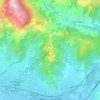
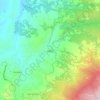
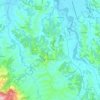
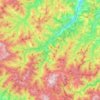
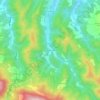
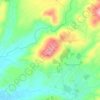
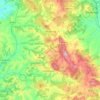
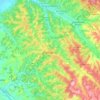
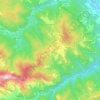
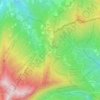
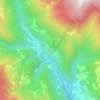
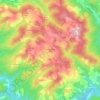
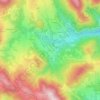
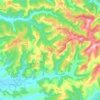
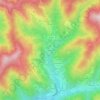
Seggiano
With the exception of units of low hill near the beds of rivers, the region extends mainly in hilly and mountainous odds, but good exposure allows the cultivation of a cultivar of olive, Olivastra Seggianese, called up to elevations of low mountains, managing to produce an oil of excellent quality.
Average elevation: 550 m
Make a donation
Make a donation


Make a donation
Make a donation

Make a donation
Make a donation



Make a donation


Make a donation


Make a donation
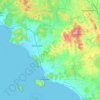
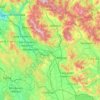
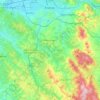
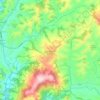
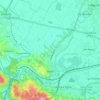
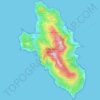
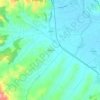
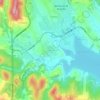
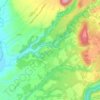
Grosseto
The Province of Grosseto completely occupies the southern end of Tuscany, and with a territorial area of 4,504 square kilometres (1,739 sq mi), it is the most extensive in the region and one of the least dense in population in Italy. The province is bordered to the northwest by the Province of Livorno, to the…
Average elevation: 197 m
Make a donation
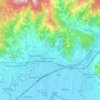
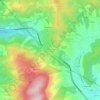
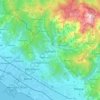
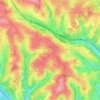
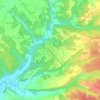
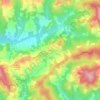
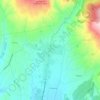
San Gimignano
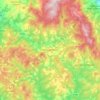
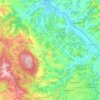
The municipality of San Gimignano extends for 138 km² and is located on a hill in Val d'Elsa. The altitude difference is between a minimum of 64 meters a.s.l. in the plain of the river Elsa near Certaldo at a maximum of 631 meters in the area of Cornocchio.
Average elevation: 239 m
Make a donation
Make a donation

Make a donation

Make a donation


Make a donation

Make a donation
Make a donation

Make a donation


Make a donation